
Oracle EPM – Enterprise Performance Management
From business plan to results in one system
Oracle Enterprise Performance Management (EPM) is a platform for planning and managing business performance that lets finance and controlling teams plan, budget, forecast results, consolidate financial data and track delivery — all in one place.
Working from data in existing business systems, EPM connects the plan with actual results and lets forecasts and business scenarios be updated as circumstances change.

Key benefits
Less manual work and data reconciliation
More accurate forecasting and better control of results
EPM POWERED BY ORACLE
70% of the time goes on gathering data, and only 30% on analysis and decisions.
When several departments take part in planning, data comes from different systems and plans change often, more and more time goes on collecting, checking and reconciling it.
Excel can work well while processes stay relatively simple. In more complex systems, different versions of spreadsheets, manual corrections and a large number of participants leave less time for analysis and decision-making.
| More spreadsheets and versions | ||
|---|---|---|
| Without an integrated EPM system Different teams work with their own documents, so checking versions and reconciling data takes more and more time. | EPM powered by  Planning and budgeting run through a shared system where everyone works to the same model and a defined process. | |
| Changes mean re-planning | ||
| Without an integrated EPM system A change in key assumptions can require extra calculations, new versions of spreadsheets and another round of reconciliation. | EPM powered by Delivery is tracked against the plan, and forecasts are updated as data and business circumstances change. | |
| Planning spans several departments | ||
| Without an integrated EPM system Finance, sales, marketing, HR and other functions may plan separately, making it hard to see their combined impact on the result. | EPM powered by Different business functions can be connected through a shared planning process and pointed at the same business goals. | |
5 KEY CAPABILITIES OF ORACLE EPM
From connected planning to intelligent forecasting

Connected planning
Connects planning across different parts of the organisation through shared goals and assumptions.

Reliable financial close
Gives greater control and automation over the financial close and consolidation process.

Advanced analytics and reporting
Provides a more detailed view of results, variances, costs and profitability.

AI built into business processes
Predictive and generative AI features add extra support for analysis and forecasting.

A single source of truth
Data from different systems is aligned through shared structures, hierarchies and business rules, creating a reliable source of truth for the whole organisation.
ORACLE EPM CAPABILITIES
Every key area of business performance management
Oracle EPM covers the different stages of business performance management, from the initial plan to consolidation, tracking and analysis of actual results.
Planning and budgeting
Building budgets and business plans across finance and other parts of the organisation.
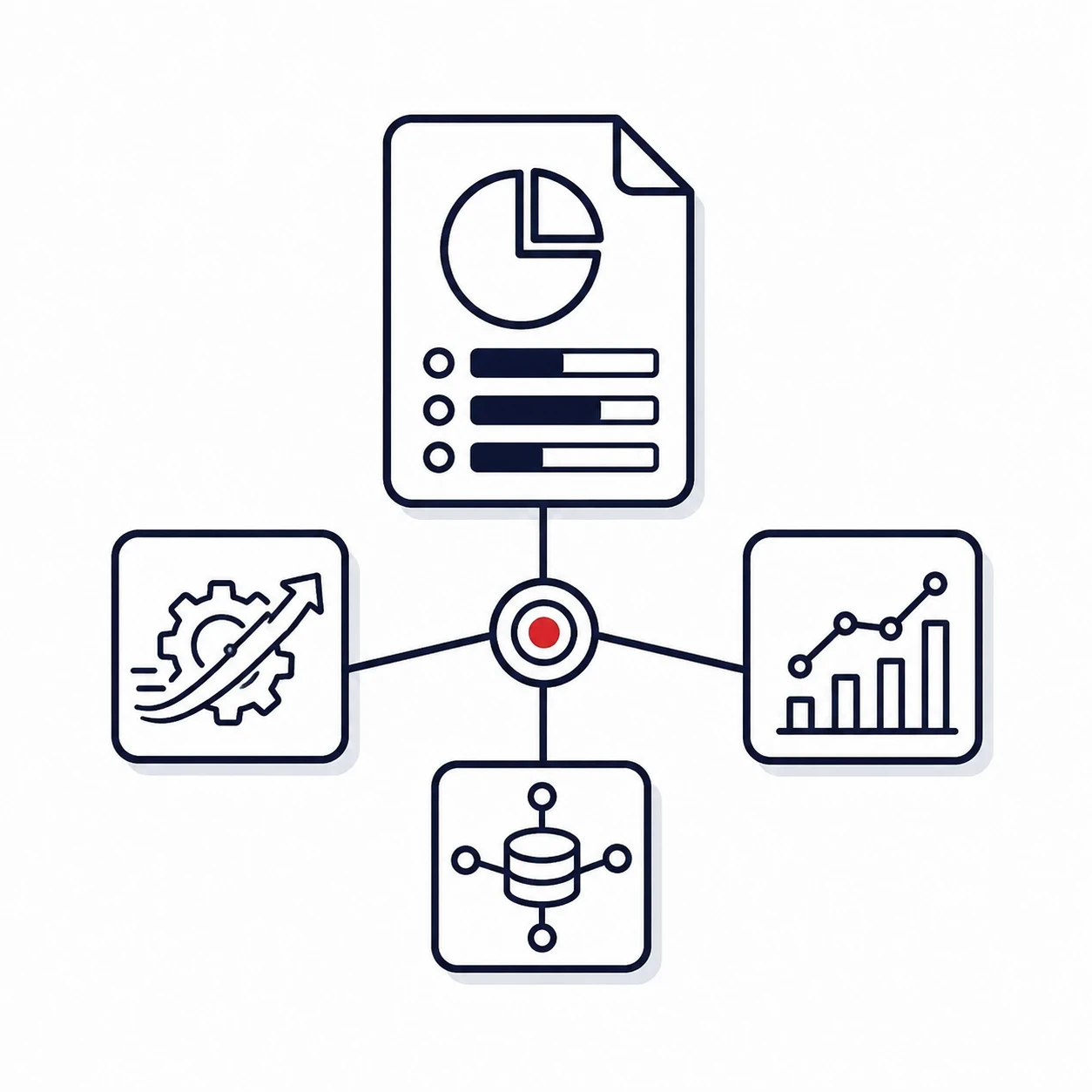
Forecasting
Updating expected results based on new data and changed business assumptions.

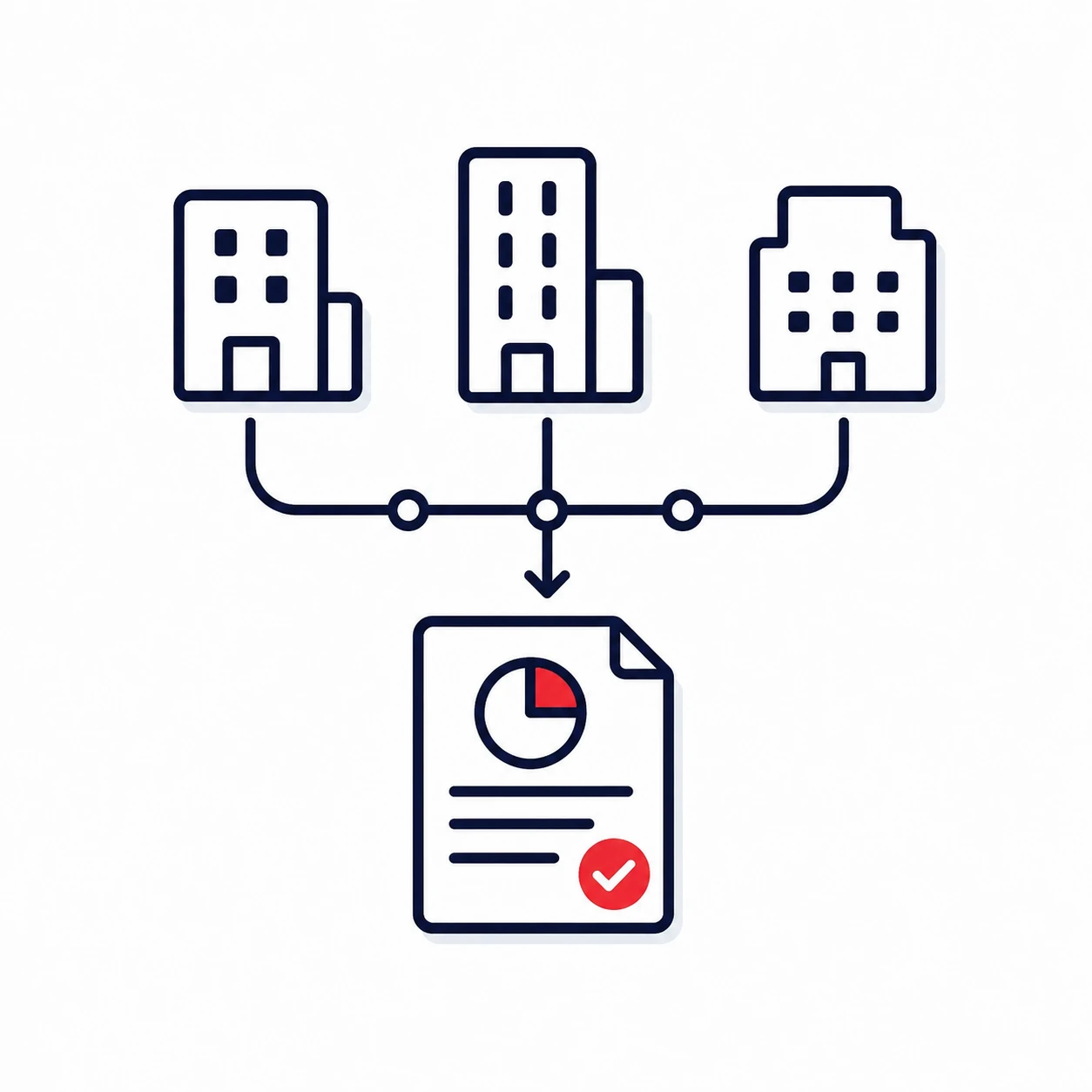
Financial close and consolidation
Closing the books and consolidating the results of different legal entities.
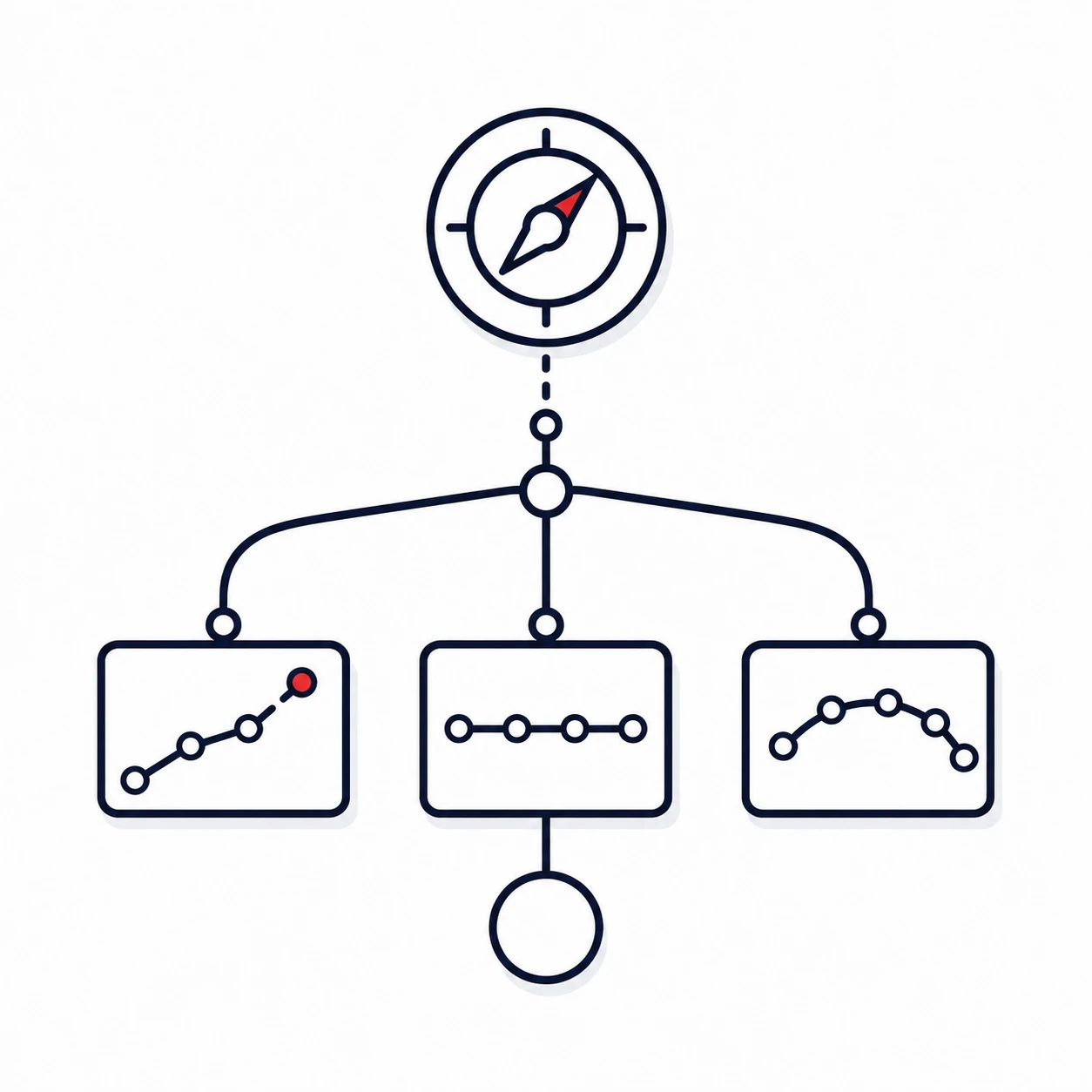
Reporting and analytics
Tracking KPIs, analysing variances and taking a closer look at business results.

Profitability and cost management
Analysing the cost and profitability of different products, activities or parts of the business.

Strategic modelling
Modelling different scenarios and long-term projections to support strategic planning.
PLANNING AND BUDGETING
One planning model for the whole organisation
In Oracle EPM, planning and budgeting run through clearly defined steps that connect data, business rules, approvals and final analysis.

EPM POWERED BY ORACLE
Less manual work in one of the most complex financial processes
When a company operates through multiple legal entities, the financial close means collecting, checking, reconciling and consolidating a large volume of data.
Oracle EPM supports the process from defining the organisational structure, chart of accounts and data sources to consolidation rules, validations, controls and final reporting.
The system supports:
- automatic elimination of transactions between related legal entities;
- currency conversion;
- configurable calculations and allocations;
- tracking changes through an audit trail;
- task management across the close process;
- storing supporting documentation, comments and explanations;
- a closer view of consolidated results.
ESG IN ORACLE EPM
From ESG data to planning and reporting
ESG (Environmental, Social & Governance) covers data relating to the environment, employees, the social aspects of the business and corporate governance.
Oracle EPM supports managing that data across the whole process, from collection and preparation to analysis, modelling, planning and reporting.
This way, ESG data from different sources can be connected, aligned and used to track results and meet internal and external reporting requirements.
AI AS PART OF THE EPM PROCESS
Forecasting and analysis built into everyday work
Oracle Cloud EPM uses AI within existing finance and planning processes to help users spot deviations earlier, analyse large volumes of data and estimate future results more reliably.
Predictive AI
Analyses historical data, recognises patterns and anomalies and produces predictions that can serve as an additional basis for planning.
Capabilities include AutoPredict, Predictive Planning, Advanced Predictions, IPM Insights and Predictive Cash Forecasting.

Generative AI
Can summarise information, generate narratives and visual representations, and provide extra context for understanding results.
Oracle EPM also includes generative AI in the Insights capabilities and in Narrative Reporting.
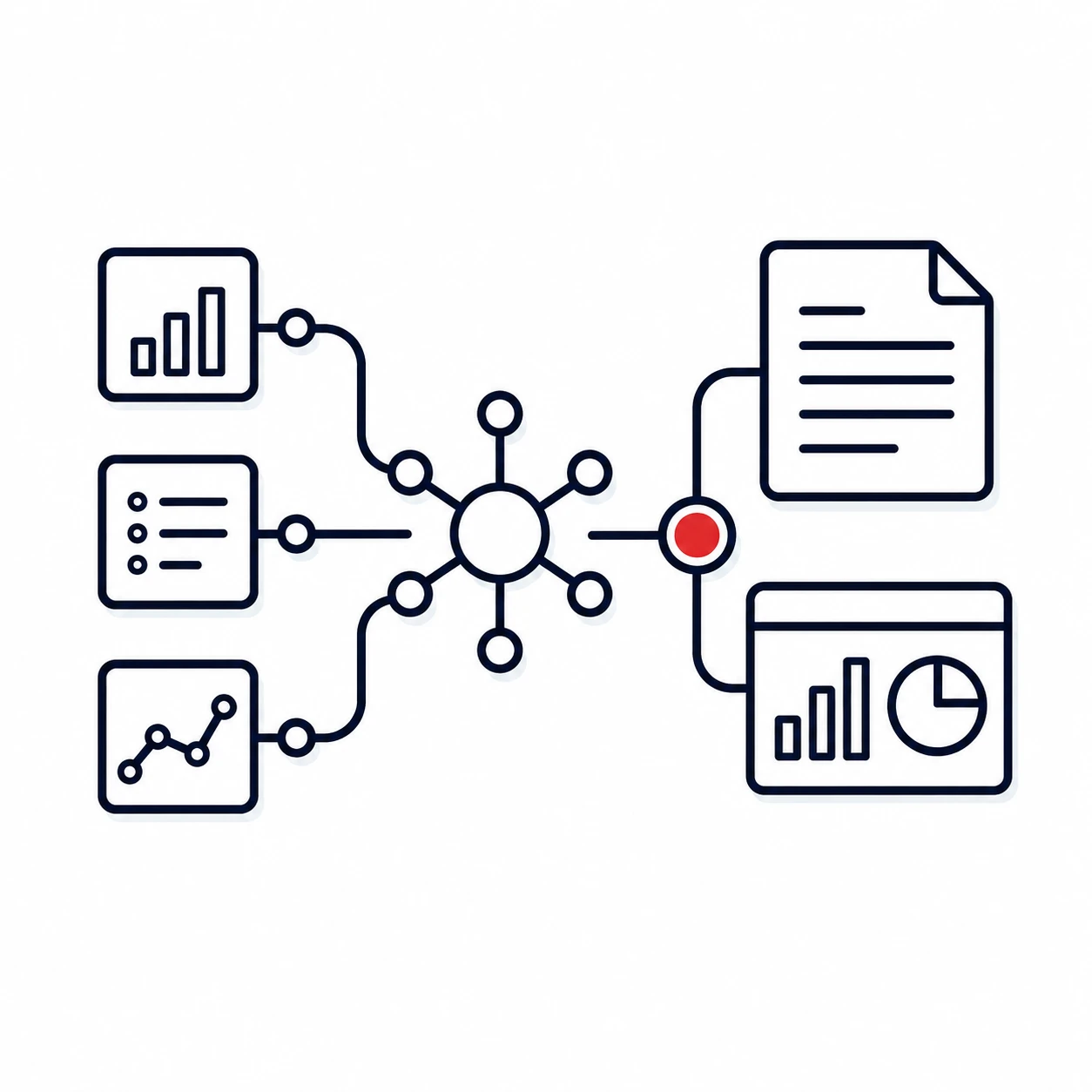
Oracle's approach to AI is that AI is built into business processes, while the user keeps control over how the resulting recommendations, predictions or generated content are applied.
WHO EPM POWERED BY ORACLE IS FOR
When planning becomes an organisation-wide process
Oracle EPM is aimed in particular at organisations where the complexity of the business outgrows manual planning and separate spreadsheets.
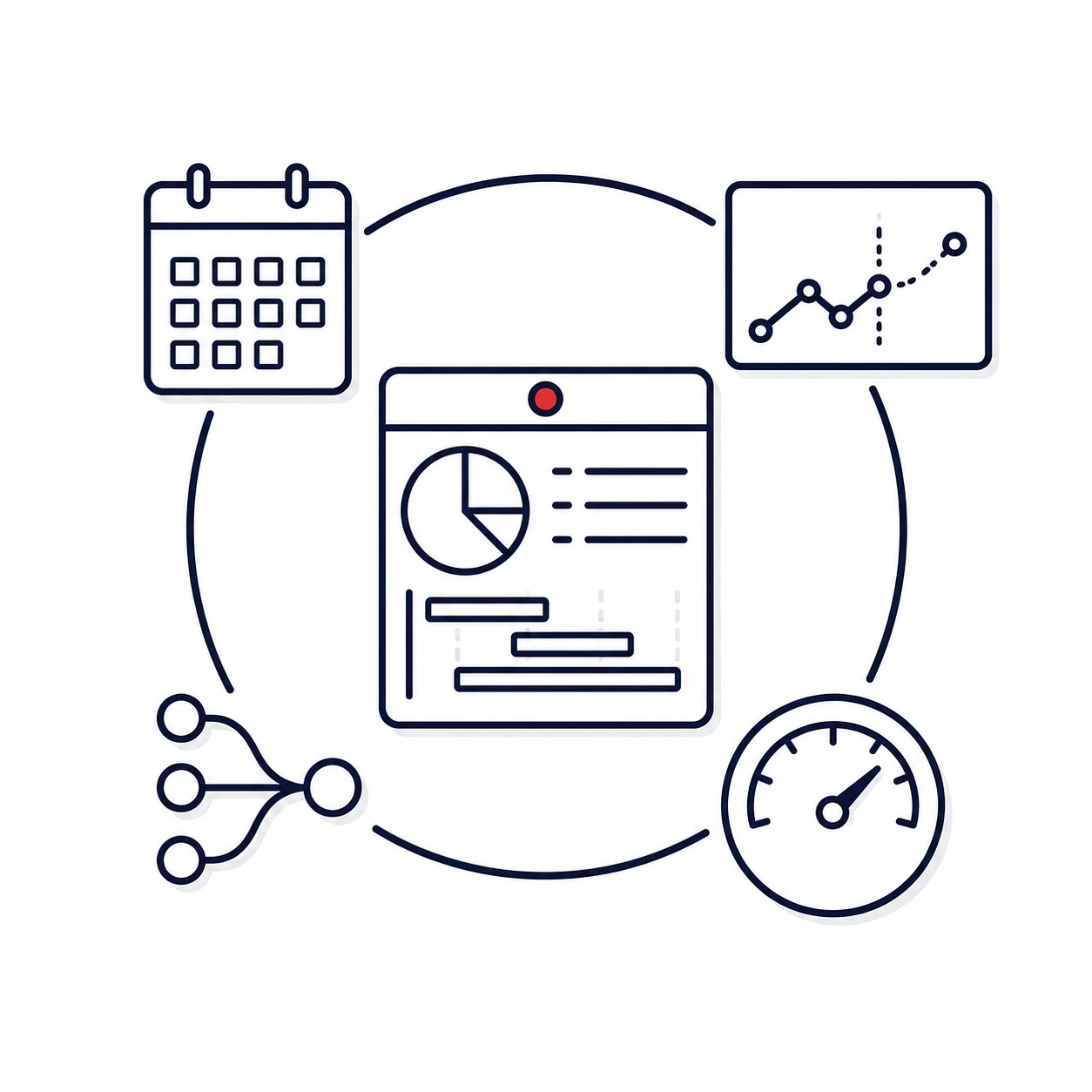
Finance and controlling
When more efficient budgeting, forecasting, consolidation and delivery-tracking processes are needed.

Companies with multiple legal entities
When the financial results of different entities need to be consolidated, aligned and analysed at group level.
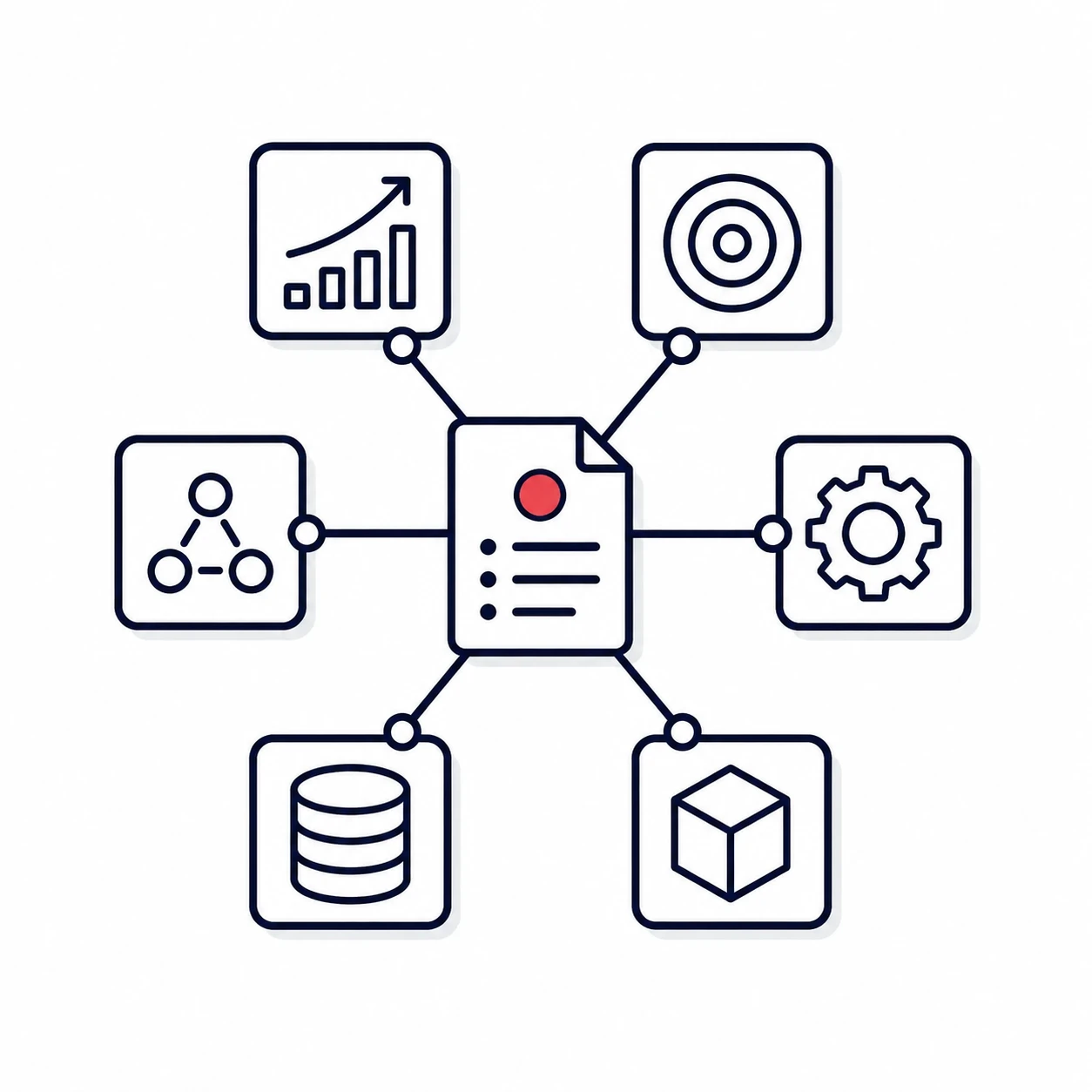
Organisations with many planning participants
When sales, marketing, HR, operations, IT and other business functions take part in building the plan.
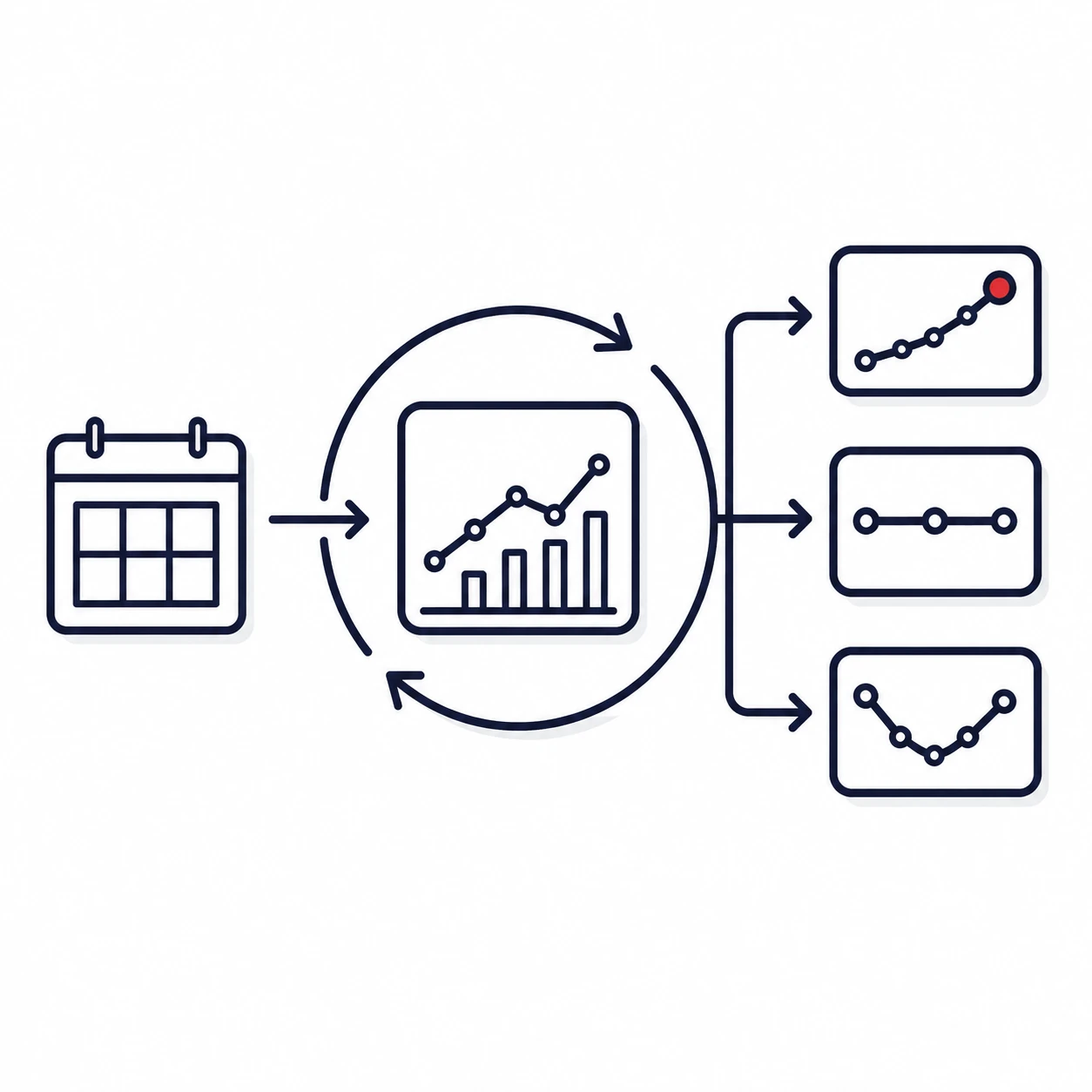
Companies whose plan changes often
When an annual budget is no longer enough and there is a need for more frequent forecasts and analysis of different business scenarios.
WHY ORACLE EPM
A cloud platform that connects with your existing business systems
Oracle EPM is built to run in the cloud and connects to a range of data sources, including Oracle EBS, SAP, other ERP systems and business sources.
The platform brings together a broad set of EPM capabilities, with scalability, process automation and control, regulatory compliance and integrated predictive and AI features.
For day-to-day work, users also have Excel integration through Smart View, letting them use a familiar interface over the data and processes that EPM manages.
THE AIGO EPM APPROACH
EPM adapted to your business processes
-
Introducing EPM does not start with choosing features, but with understanding the existing planning process, its weaknesses and the goals the organisation wants to reach.
-
The AIGO team analyses the existing environment, selects and adapts the required Oracle EPM modules and integrates them with ERP systems and the rest of the ICT environment.
-
Certified specialists experienced in adapting, implementing and integrating EPM solutions help set the system up around specific business needs, rather than forcing existing processes into a predefined model.
EPM POWERED BY ORACLE IN PRACTICE
From reporting on the past to planning what comes next
EPM uses data from existing ERP and Business Intelligence systems as the basis for planning, forecasting, consolidation and managing business results.
This way, finance and controlling are no longer only the teams that explain what happened — they gain tools to assess what comes next and to see how different business decisions affect the result.
EPM powered by Oracle
If you want to cut the time spent collecting and reconciling data and focus more on planning and running the business, explore what Oracle EPM can do.