A complete picture for strategic management of a healthcare institution
HeltIT:GO is an analytics platform that brings together data from every area of a healthcare institution and turns it into clear information for management, planning and decision-making.
Medical, financial, HR and logistics data are connected into a single system, giving a complete, up-to-date view of how the institution runs.

Key benefits
Faster decision-making
More efficient use of resources
CHALLENGES IN MANAGING A HEALTHCARE INSTITUTION
When data exists but doesn't add up to a complete picture
Alongside patient care, healthcare institutions also need to function as an organized, sustainable system. Getting a realistic picture of the situation at any given moment means tracking staff, costs, capacity, equipment, legal obligations and business goals.
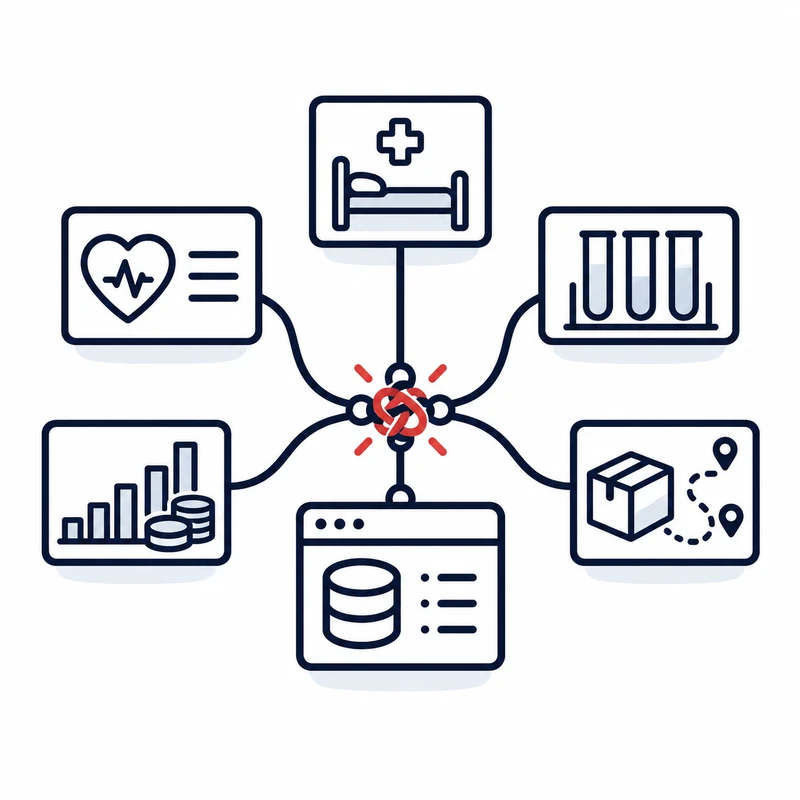
When information on these areas sits in different systems and is viewed separately, it becomes harder to see how the institution functions as a whole.
A large number of different sources
Information comes from many different places — from patient data, medical services and lab results, to data on capacity, costs, finances, procurement and logistics.
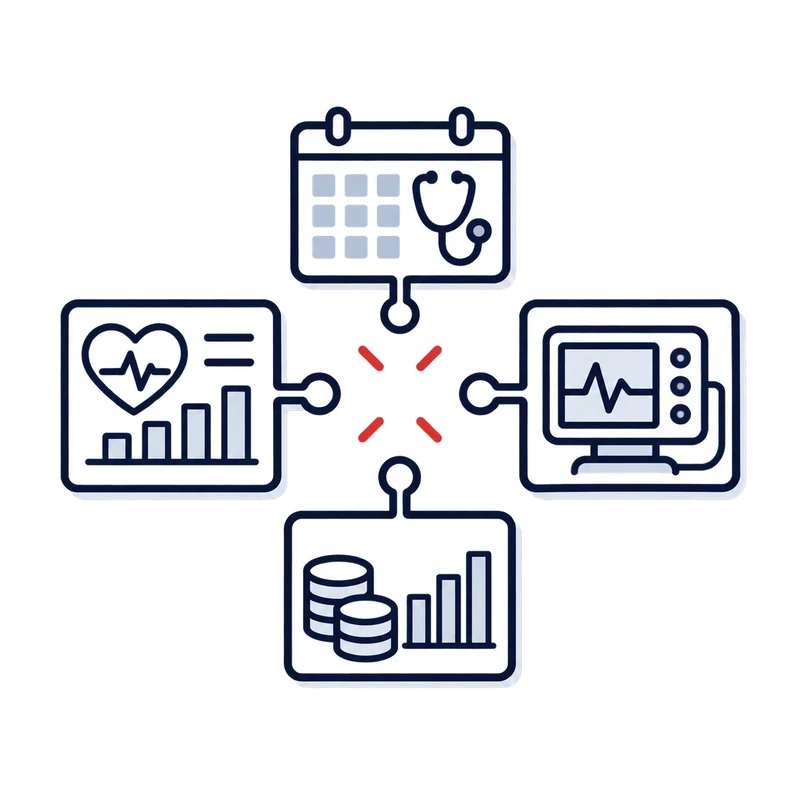
Data without shared context
The number of staff, patients treated, equipment use and maintenance costs each show only part of the picture on their own. Connecting them makes it clearer how these different factors together affect how the institution runs.
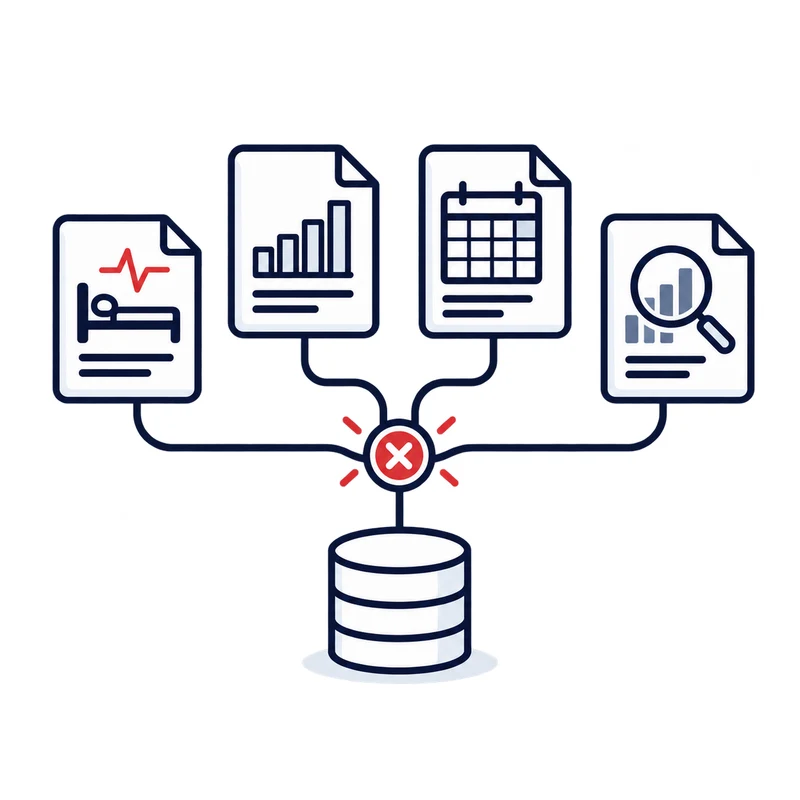
Different reporting needs
The institution needs different levels of reporting — from monthly department reviews and quarterly financial reports, to annual plans and analyses produced on an ad hoc basis.
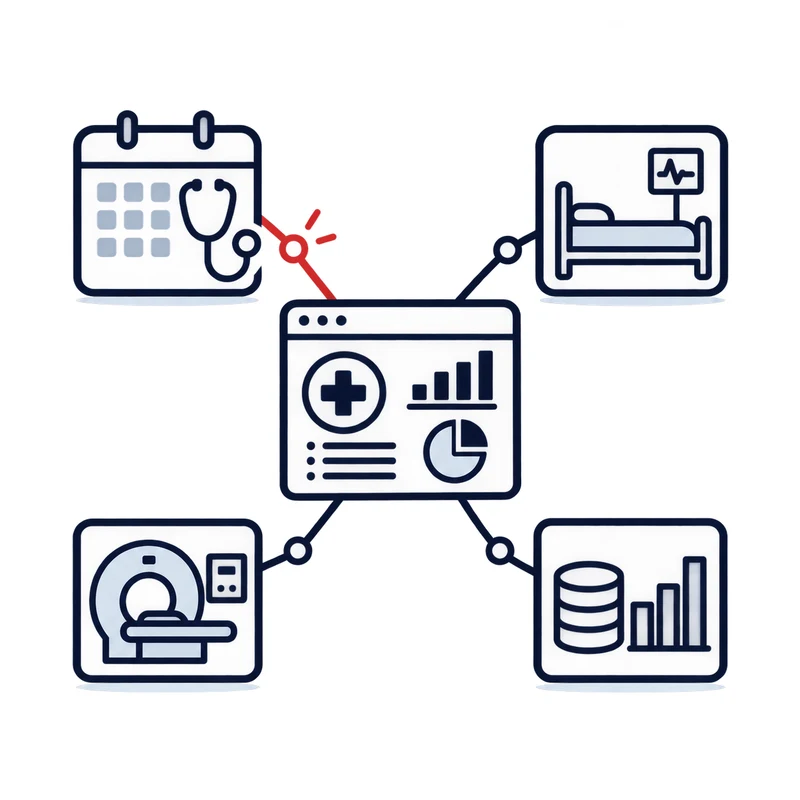
Complex resource management
Staff, capacity, equipment and costs cannot be looked at separately. Staffing levels, bed and department occupancy, equipment use and financial indicators all need to be tracked together to get a realistic picture of how the institution runs.
FROM DATA TO INFORMATION FOR DECISION-MAKING
How HeltIT:GO works
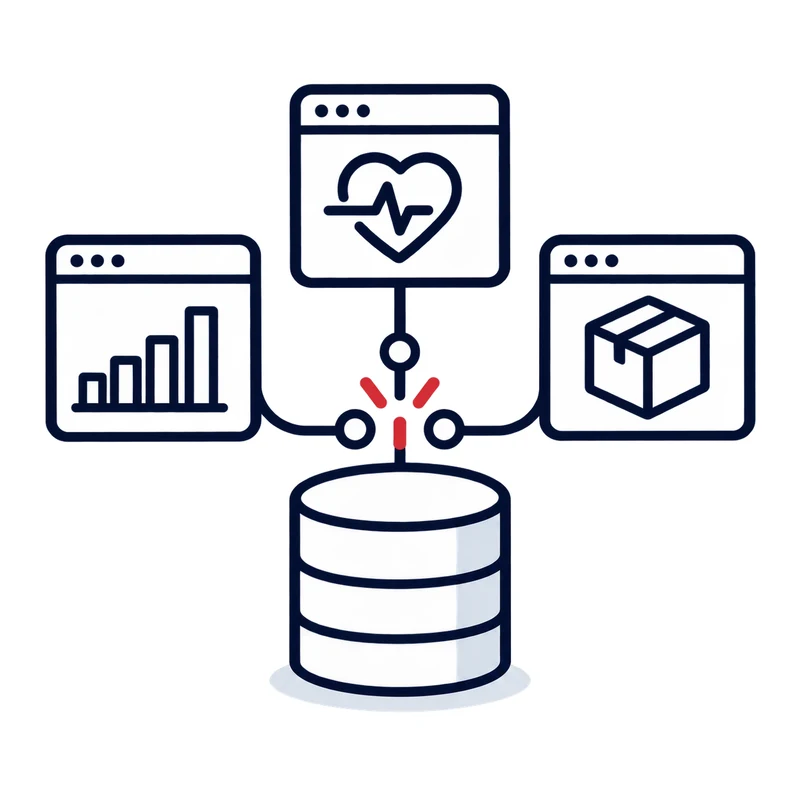
Connecting data
HeltIT:GO connects to existing healthcare information systems, ERP and CRM solutions, and relevant national institutions (RFZO, the Institute of Public Health "Batut" and the Ministry of Health), bringing medical, financial, HR and logistics data together into a single system.
Patients
The number of new and returning patients, age and gender structure, and other information relevant to understanding patient demographics.
Medical services
Types of procedures, departments, lab results and other data related to the delivery of healthcare services.
Capacity and equipment
Bed occupancy, department and equipment use, and tracking of their maintenance costs.
Finance and procurement
Financial flows, e-invoices, revenue, costs of materials and equipment, logistics and the supply chain.
Advanced analysis and correlation
The platform connects data on patients, staff, equipment and costs, and looks at it through four levels of analytics — from understanding past results and the current situation, to predicting future challenges and planning upcoming activities.
Descriptive analytics
Shows what happened over a previous period and makes it possible to track results over time.
Diagnostic analytics
Helps take a closer look at existing problems and their context.
Predictive analytics
Uses data to anticipate possible future trends and challenges.
Prescriptive analytics
Supports planning specific actions based on the resulting analysis.
Reports in a few clicks
Data is presented through clear, dynamic visualizations and reports, with the ability to compare results, filter by location, department or indicator, and adapt to monthly, quarterly, annual and ad hoc needs.
KEY VALUES
What HeltIT:GO brings to a healthcare institution
By connecting data, analytics and reporting into one system, HeltIT:GO provides a clearer view of operations and more efficient management of the institution's key resources.
Control over operations
An up-to-date view of department performance, use of capacity and equipment, and the institution's financial flows.
Faster decision-making
Less reliance on estimates, more reliance on data, comparisons and trends.
More efficient use of resources
Better utilization of capacity, equipment and available resources, with a clearer view of costs.
Less administrative burden
Automated data exchange and reporting reduce the need for manual data collection and preparation.
Regulatory compliance
Connections with relevant institutions and reporting in line with regulatory requirements.
Run your healthcare institution on reliable data, not guesswork.
Connect data from every area of your healthcare institution and turn it into the information you need for management, planning and tracking results.